
Turn idle time into operational control.
Identify aged containers, understand what is holding them, assign the next action and drive every case toward closure — with a clear management view built for M&R operations.
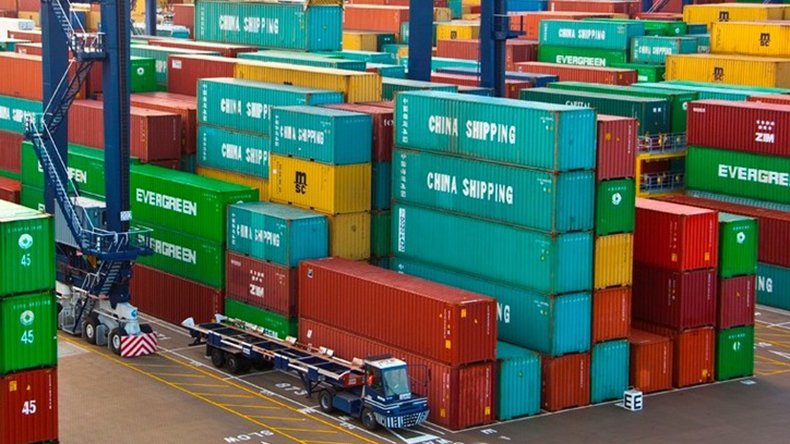 Long idling management
Idle containers hide real cost.
A container that sits without a clear next action consumes yard capacity, slows equipment flow and can leave repair or approval work unresolved.
A strong long-idling process changes the conversation from “How old is it?” to “Why is it still here, who owns the next step and when will it close?”
Maintain a clear unit-level record for every aged container.
Understand where the unit is and how long it has remained there.
Separate repair-driven idle time from other operational holds.
Give each case a responsible team and a target closure date.
See the yard before
it becomes a problem.
Use defined aging thresholds to focus attention where operational impact is highest — without treating every idle container as the same.
Idle population by age
A practical management view for daily prioritization.
Threshold response
Escalation can become more deliberate as aging increases.
Six moves from aging to closure.
The goal is not another report. The goal is a repeatable operating rhythm that makes the next action obvious.
Identify
Flag containers that cross the agreed aging threshold.
Diagnose
Record the reason for the hold, including M&R, damage, approval or movement dependency.
Prioritize
Rank cases using age, safety, operational impact and urgency.
Assign
Give every case a clear owner, next action and target date.
Escalate
Raise unresolved or critical cases before they become long-standing yard constraints.
Close & learn
Confirm final disposition and use recurring patterns to improve the process.
Build a cleaner path from yard hold to release.
Tell us about your yard, container population and current M&R workflow. We can discuss a practical long-idling reporting and action-management approach around your operation.